Learn. Understand. Prepare.
Stem Cell
Transplant
Information can help you feel more in control. Explore answers to common questions about stem cell and cord blood transplantation.
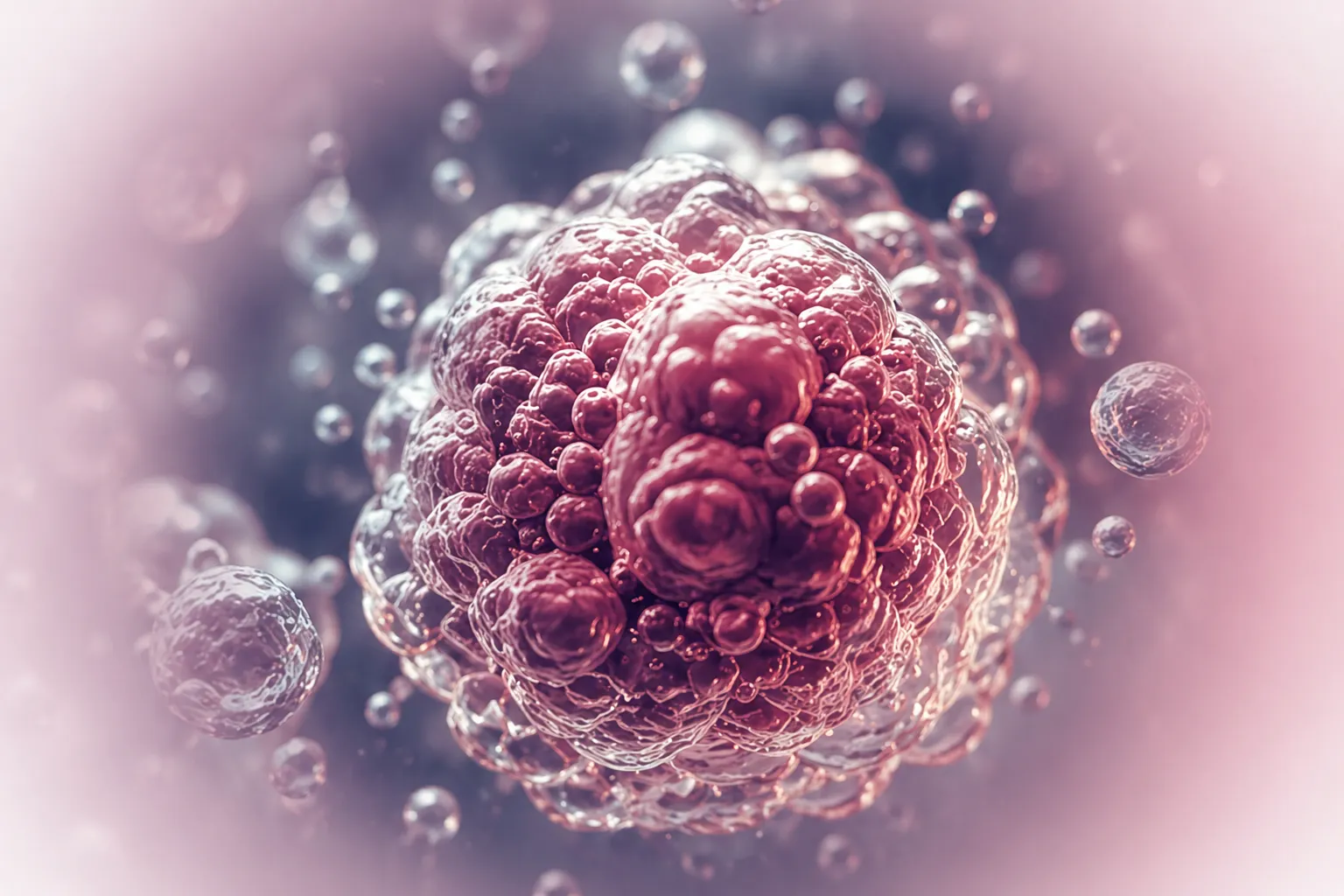
Hero image to be swapped. Stem cells should look smoother than this.
Your decision, step by step
From diagnosis to the right center
Every family’s path is different. These are the steps that people take when considering a Cord Blood Transplant.
Understand
Learn how stem cell transplant works and where Cord Blood fits.
Read the basics
Ask your team
Bring the right questions about donor type, matching, and timing.
See FAQsChoose a center
Experience matters. See our Centers of Excellence page and what to look for.
What to look forGet support
Talk to people who have been through it, before, during, after.
The basics
What a stem cell transplant is, and where cord blood fits.
Why do I need a stem cell transplant?
Bone marrow transplant, also called stem cell transplant, replaces the blood-forming stem cells in your bone marrow (hematopoietic stem cells) to lower the chance of your cancer coming back. The transplant creates a new immune system that attacks any cancer cells left after treatment. If your leukemia or other blood cancer tries to return, the new immune system recognizes it as different from itself and attacks it. This is called the graft versus leukemia effect, and it helps you keep a lasting remission.
Where do my transplant cells come from?
Your doctor chooses a donor and stem cell source that will best clear any remaining cancer while keeping short and long-term risks low. Often the first choice is an HLA-matched sibling. If none is available, or your cancer is high risk, your doctor may look for a haploidentical donor (haplo), a matched unrelated donor (MUD), a mismatched unrelated donor (MMUD), or a cord blood unit (CBU).
The type of cells, or graft source, can also differ. From a family member or adult donor you may receive bone marrow (BM) or peripheral blood stem cells (PBSC). Cord blood (CB) is another graft source.
The old site calls for a companion graphic here showing donor types.What should I know about cord blood for stem cell transplant?
Cord blood is the blood left in the umbilical cord and placenta after a baby is born. Usually it is discarded, but when collected it can be stored and used for transplant. It is rich in young, fast-growing stem cells that can build a full immune system from far fewer cells than an adult donor needs. Because these cells haven't been exposed to toxins or viruses, they can cause less long-term harm.
Cord blood from an unrelated donor comes from public cord blood banks, which operate under FDA oversight. Units are tested, characterized for HLA type and cell dose, and listed in the registry, so your center can pick one that fits your needs and have it shipped on short notice. Private banks, where families pay to store their own baby's cord blood, are separate and not listed in the registry.
At centers experienced with cord blood, it can produce a stronger anti-leukemia effect without raising the risk of serious chronic graft versus host disease. Patients often come off immunosuppressants sooner, which lowers infection risk and helps them return to work or school. Clinical trials have shown a lower risk of relapse with cord blood than with other graft sources, partly because doctors can accept a less exact HLA match without raising other risks.
Placeholders still in the copy: “(table of public cord blood banks)” and “(references)” for the relapse studies.Why can’t I use my own stem cells?
With blood cancers, your own cells are not collected and given back (autologous transplant). If they were, your rebuilt immune system would not recognize the cancer as foreign, which defeats the purpose. So after conditioning, you receive cells from someone else (allogeneic transplant).
Is cord blood right for us?
The questions families ask most when they are weighing their options.
I’ve had a previous failed transplant or my cancer came back after transplant. Can I have a cord blood transplant?
Yes. Cord blood is an excellent source for a second transplant. It is already characterized and available quickly, which matters after graft failure. If your disease has returned, you will need to reach remission again first, but molecular remission is not required. Cord blood can strengthen the graft versus leukemia effect, including for MRD+ patients, at centers that routinely do cord blood transplants. It also avoids asking family members or unrelated donors to go through screening again.
I am MRD+. Can I still get a cord blood transplant?
Yes. In clinical trials, cord blood has given MRD+ patients the same outcomes as MRD- patients, which is not seen with all graft sources.
“(Insert graph and references)” placeholder. Figma spells this question “MDR+”. It should be MRD+ (minimal residual disease).I don’t have an 8/8 HLA-matched donor or cord blood unit. Does that hurt my chances?
No, and it may improve them. Many cord blood recipients receive a unit that is not fully matched, and doctors often see better disease control and less relapse with a mismatched unit. This holds in the MRD+ setting too. Partially mismatched units are safe and effective at a qualified center.
My family donor can no longer donate and I need a transplant quickly. Can I have cord blood instead?
Absolutely. Publicly banked units are frozen, characterized, and ready to ship. It is not unusual for a planned donor to become unavailable, or for a patient to have antibodies against an unrelated donor. Cord blood is a strong backup, and it is uncommon not to find a suitable unit.
My transplant center doesn’t do cord blood transplant, and I have no suitable donor. What do I do?
We recommend getting your cord blood transplant at a center experienced with it, because post-transplant care for this young cell source is nuanced. Experienced centers have the guidelines and monitoring to catch problems like pre-engraftment syndrome, viral infections, and GvHD early.
Cord blood is one of several options. Work with your physician on the donor and graft source that best fits your survival and lifestyle goals. If other options aren't available or don't meet your goals, ask your oncologist to contact a Center of Excellence.
I’m having a hard time finding current data about cord blood transplant. Where can I find it?
The newest practice is often unpublished because studies need long follow-up. Your best source is a transplant center with significant cord blood experience, such as a Center of Excellence. If they are not your care provider, ask for a teleconsultation.
What to expect
Before, during, and after your time in the hospital.
What happens before I get a stem cell transplant?
Induction is the first round of chemotherapy, used to bring on a remission (especially in leukemias). Next comes consolidation, more chemotherapy to make that remission stronger. A conditioning regimen is the chemotherapy or radiation that prepares your body for transplant.
Conditioning varies with your age, general health, diagnosis, treatment history, and your transplant center's approach. Your doctor chooses the regimen that gives you the most benefit with the least risk to your other organs. It may or may not include radiation. Today's regimens are much lower intensity than in the past while working better.
How long will I be in the hospital for my cord blood transplant?
Plan on at least 4 weeks, including the conditioning before the transplant itself. It can be shorter if all goes well, or longer if you haven't engrafted yet or show signs of graft versus host disease or infection. Children are often kept a little longer to watch for complications and to learn to take their oral medications.
Most adults feel tired for the first 6 to 9 months. With an uncomplicated transplant, the new immune system takes about a year to fully rebuild. Even when you feel better, protect yourself from infection, and hold off on long trips or major activities. Children are generally kept out of school for the first year.
Who are the people who will help with my cord blood transplant?
- Oncologist / stem cell transplant physician
- No description yet.
- Caregiver
- Makes sure you take your medications, get to appointments, and take care of yourself. They are an extra set of ears at visits and get you to the hospital right away if a problem like fever happens at home.
- Social worker
- Your advocate for resources: rides, food and housing vouchers, and help with the financial burden of transplant. Think of them as a shared assistant who knows what's available.
- Palliative care specialist
- Palliative care is not hospice. This specialist learns your goals for treatment, such as pain control, and advocates for you with the rest of the team. Build the relationship before you need it.
What are some common side effects or complications after stem cell transplant?
- Graft versus host disease (GvHD)
- Occurs in nearly all patients who receive an allogeneic stem cell transplant.
- Pre-engraftment syndrome
- No text yet.
- Infectious disease
- No text yet.
- Graft rejection or graft failure
- No text yet.
Recovery
Life after transplant, in the first year and beyond.
This section will cover the first year after transplant: energy, infection precautions, returning to work or school, and follow-up care.
No recovery content on the old site beyond one paragraph under hospital stay. Needs copy and legal sign-off.For caregivers
Your role, practical help, and support for you.
My caregiver has to take time off work. What physical and financial help is available?
Caregiver role and practical help are two links on Home. Both land here until there is more copy.